
Anxiety · 6 min read
Worry time: Giving worry a place to live
Worry is often a coping strategy, not a flaw. The peer-reviewed evidence on worry time, a structured technique for working with anxiety, explained.
 Matthew Hallam28 Jan 2026

Longer reads from our psychologists, written for the reader who is genuinely working something out.
Worry is often a coping strategy, not a flaw. The peer-reviewed evidence on worry time, a structured technique for working with anxiety, explained.
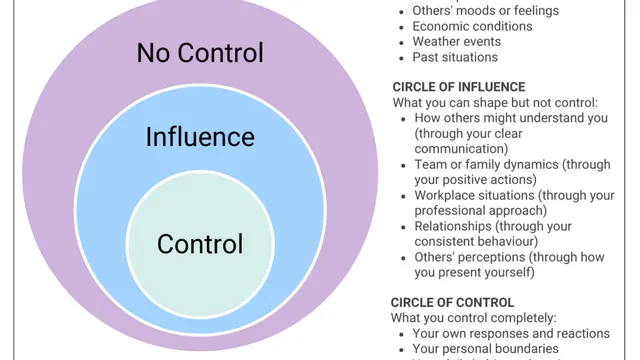
Matthew Hallam28 Jan 2026Sorting attention into what you can control, what you can influence, and what sits outside both. A clinical adaptation of the perceived-control evidence.
Matthew Hallam27 Nov 2025Adults with ADHD often carry a quiet uncertainty about who they are. A clinical account of why it is rarely a self-knowledge problem, and what sorting the inherited descriptions actually looks like.
Matthew Hallam17 Nov 2025A psychologist's account of self-regulation and co-regulation, what the peer-reviewed research shows, and why calm is rarely something you build alone.
Matthew Hallam16 Oct 2025The pop-science version says ADHD traits used to fit a hunter's world. The actual evolutionary research says something more clinically useful.
Matthew Hallam25 Sep 2025ADHD is lifelong, but its picture changes after sixty. A psychologist on what the recent evidence says about recognition, differential diagnosis, and support.
 Natalia Cajide21 Sep 2025
Sadness moves through. Depression settles in. A psychologist's account of what makes them different in kind, where grief sits, the time signature of each, and when the protective state stops protecting.
Matthew Hallam16 Sep 2025One email a month from Equal Psychology with our newest posts, guides and worksheets.
Changes apply to every page and are remembered on this device.





 Anxiety
 Depression & mood
 Trauma
 ADHD in adults
 Sleep
 Burnout & stress
 Chronic health
 Older adults